
Does Homeowners Insurance Cover Mold in Georgetown?
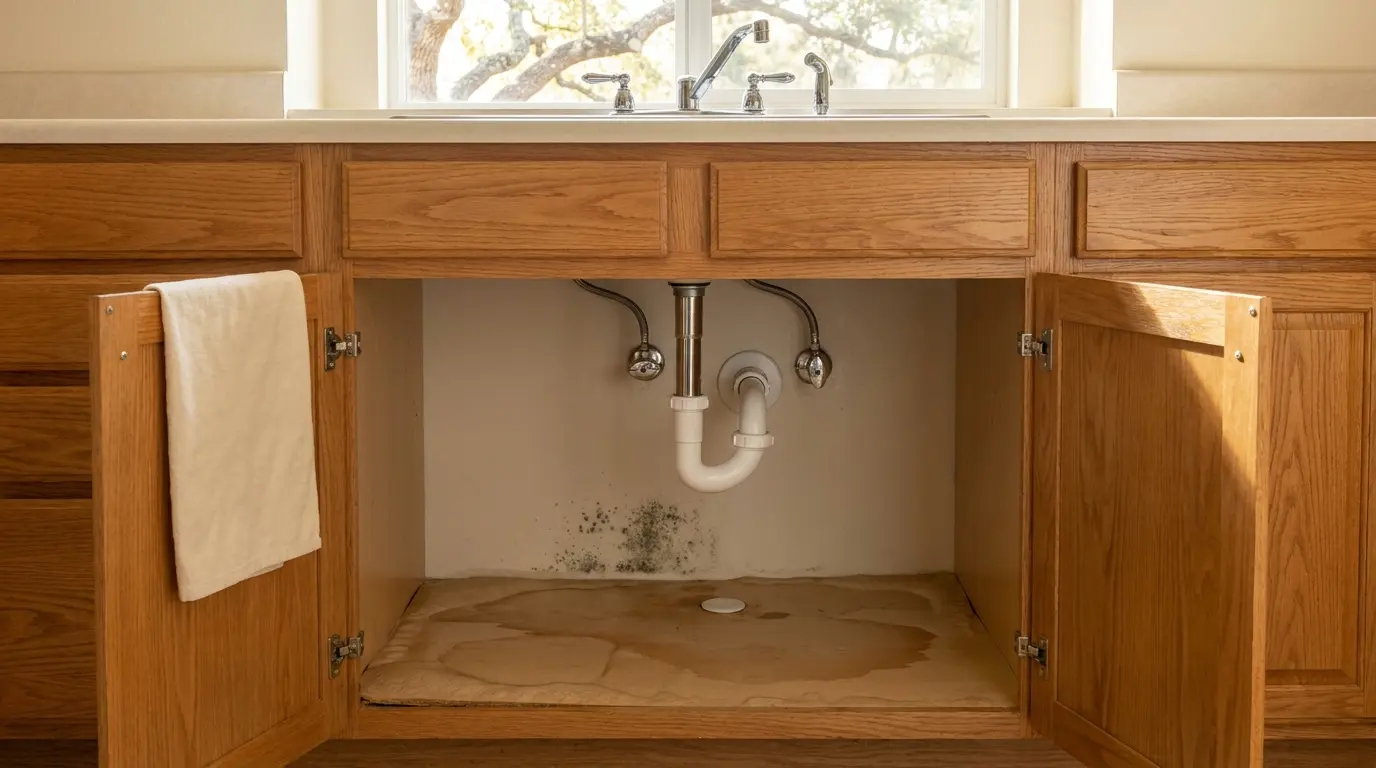
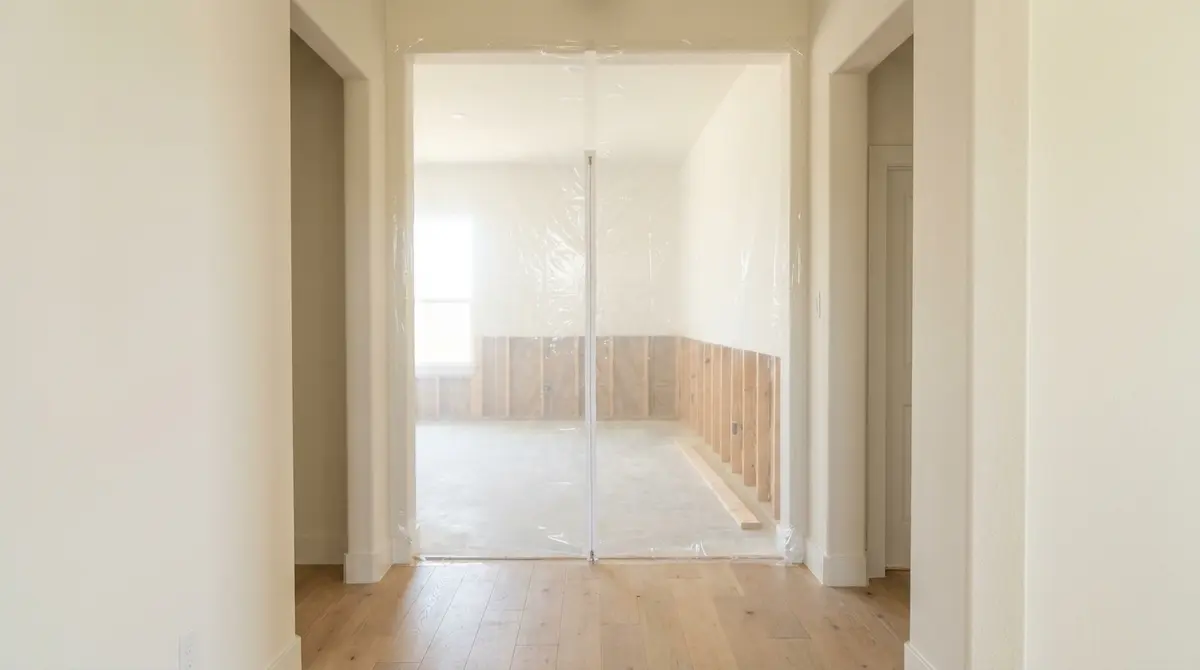
Sometimes. For a Georgetown home, your policy and Texas rules decide it. On its page about water damage and mold, the Texas Department of Insurance (TDI) says that under most homeowner policies, mold that develops on an item damaged by sudden and accidental water, like a burst pipe, would be covered. The same page says most home policies don't cover mold from gradual leaks or seepage, and most don't include mold cleanup and testing after a damaged item is removed. If mold is already growing, we do mold remediation: we seal off the area, filter the air, remove what can't be saved, clean what stays and handle the rebuild.
Should you tell your insurance company about mold? If you have a water damage claim, the claim tips on that TDI page say to tell your company as soon as possible. A question is treated differently. The Consumer Bill of Rights that TDI adopted for homeowners, dwelling and renters insurance says your insurance company can't use your questions about your policy to deny, nonrenew or cancel your coverage, or to determine your premium. That includes asking whether your policy covers a loss, unless the question is about damage that occurred and results in an investigation or claim.
Get Your Quote
Ready to handle this with a pro?
You're reading about When Does Homeowners Insurance Cover Mold in Georgetown. Get a fast quote for water damage restoration service in the Austin and Houston areas from Watchtower Water Damage and Fire Restoration.
When Does Homeowners Insurance Cover Mold in Georgetown?
Mold coverage follows the water that caused it. TDI's April 2018 handout on Texas homeowners policies lists mold among the common exclusions, "except necessary costs to repair or replace property damage caused by a covered water loss." So the first question is whether the water that fed the mold was covered.
For example, say the line to an ice maker splits behind a Georgetown refrigerator one night, and a few days later mold shows on the wet drywall and the cabinet beside it. That mold grew on property damaged by a sudden, accidental leak. TDI's FAQ on homeowners insurance and disaster claims takes up mold growing on furniture and other belongings, and asks whether the policy will pay to replace the items. Its answer: most homeowner and renters policies cover sudden and accidental water damage, and if mold grows on a damaged item, "it would be covered."
Now say a shower pan has been seeping into the wall behind the tile for months. That is the other kind of water. The same FAQ says most home policies don't cover water damage from gradual leaks or seepage, "and that includes damage from mold."
Two more cases sit outside the rule. TDI's water damage and mold page says mold from a flood would not be covered because home policies don't cover floods, and you would need a separate flood policy. Mold from everyday humidity, such as a bathroom that stays steamy after showers, has no sudden water loss behind it, and the 2018 handout lists wear and tear or maintenance among the common exclusions. The handout also notes that exclusions vary by policy, so your own policy's wording settles the details.
Why Do Policies Cap Mold Coverage Before a Georgetown Claim?
The limits have a Texas history. In Commissioner's Order 01-1105, TDI described "a relatively sudden, large and unprecedented proliferation of mold claims against Texas homeowners policies" over the two years before it. The order adopted endorsements, the add-on pages that change what a policy covers, for the Texas homeowners and dwelling forms of the time. They added a broad mold exclusion, with an exception for mold that follows a sudden and accidental discharge, leakage or overflow of water or steam, if the policy would otherwise cover the water loss. That exception paid for reasonable and necessary repair or replacement of the damaged property, but not the cost of remediation, including testing. Insurers also had to offer endorsements that let you buy more mold coverage for an additional premium.
Policies sold today may not use those forms, so the 2001 wording is background, not your contract. The shape survives, though. TDI's 2018 handout says some companies let you buy full or limited coverage for excluded perils such as "mold remediation." So a policy can pay to replace a damaged item and still leave out the cleanup and testing. One 2025 post on r/Austin put the surprise plainly: "Our insurance evidently doesn't cover mold, only water damage."
The time to check is before a Georgetown claim, not after one. Look at your declarations page, the page that shows your amounts of coverage, for a mold endorsement or limit, then read the mold wording in your exclusions. If you find nothing, TDI's water damage and mold page says your insurance company may let you add coverage for cleanup caused by a covered loss, and your agent can tell you what options are available.
Is Mold From a Freeze or Hidden Leak Covered in Georgetown?
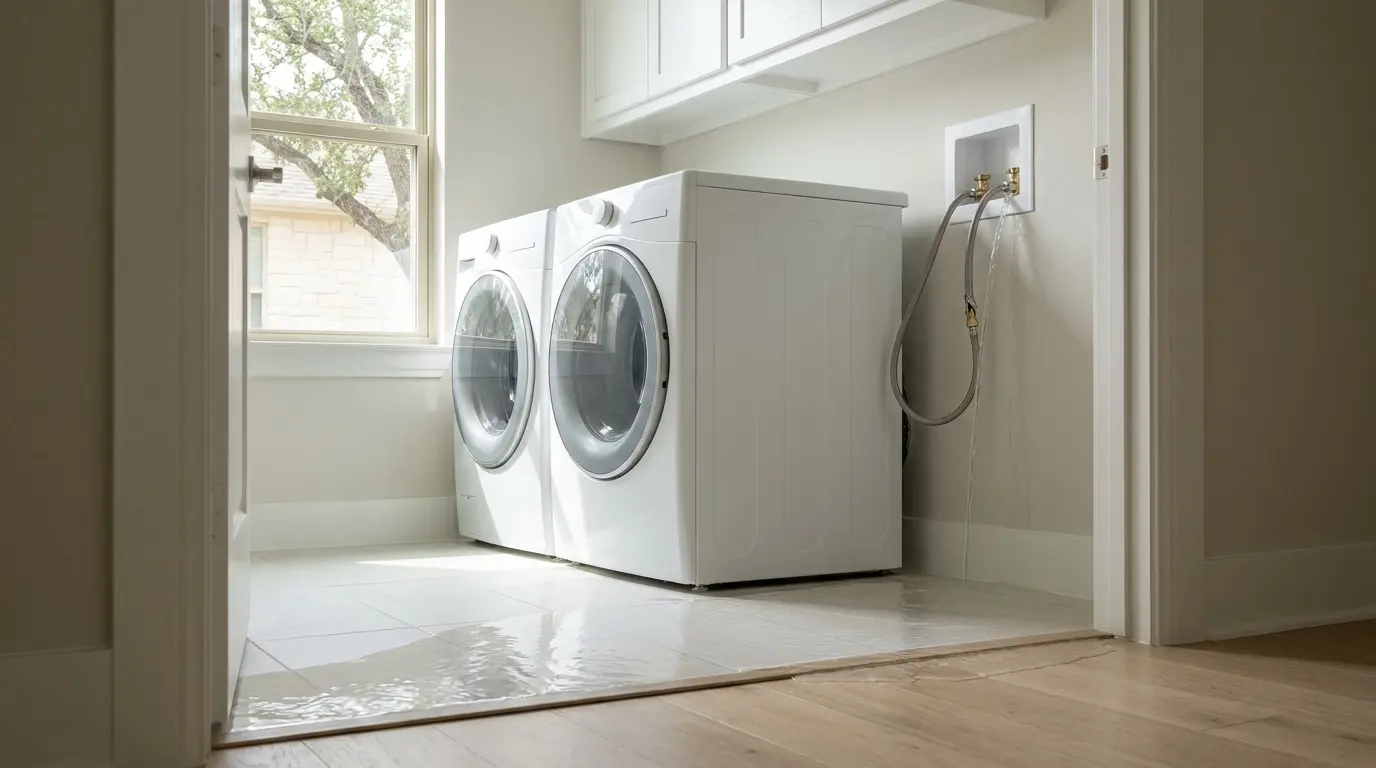
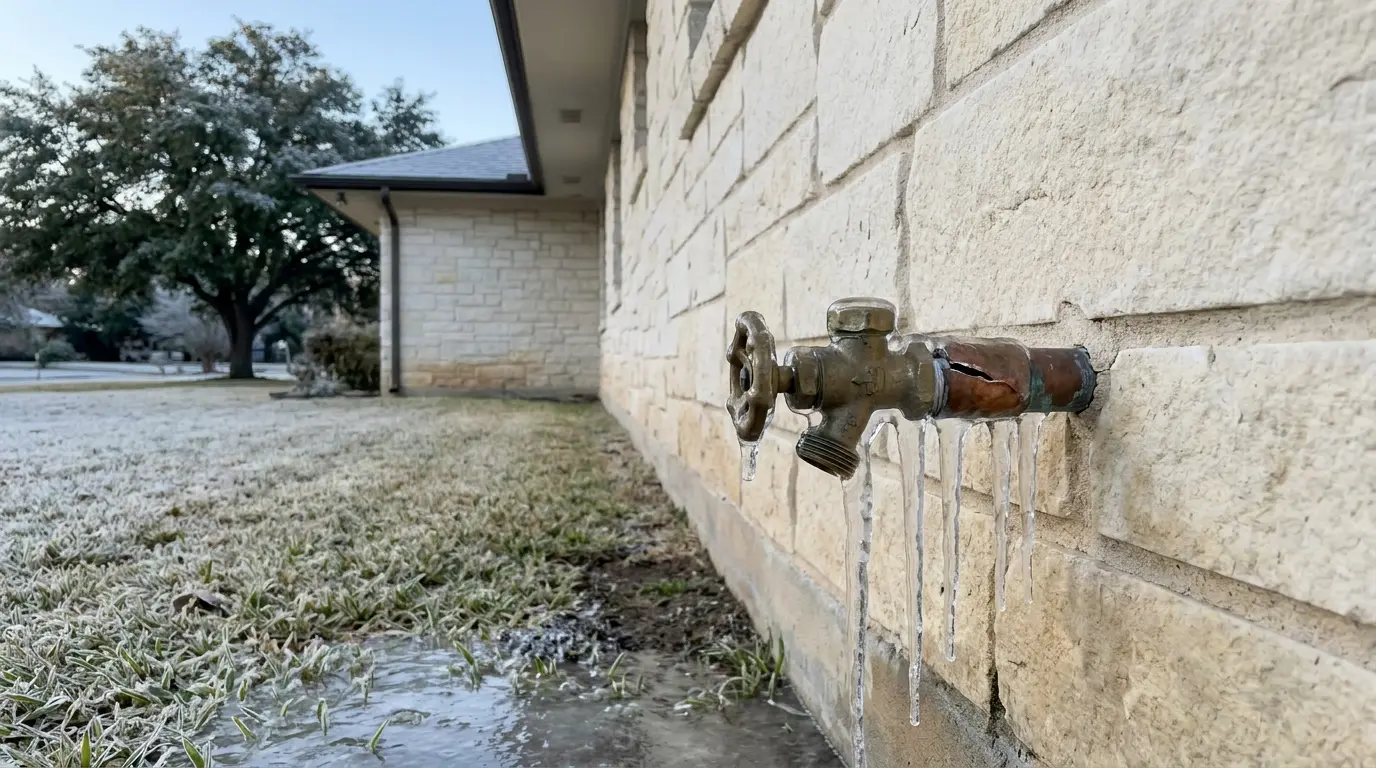
It can be, when the water behind it is covered. TDI's water damage and mold page names a burst pipe first among its examples of sudden and accidental water damage, and a Georgetown freeze can split one. Whether the burst itself is covered depends on your policy, and our post on homeowners insurance and water damage walks through those water rules and the Texas policy forms. If a pipe has just burst, our guide to the first hour after a burst pipe can help. Its shutoff steps follow Austin Water's guidance, so check with your own water provider.
The mold question comes right behind the water, because the same TDI page notes that mold can start growing within a day after a leak. We take out the water and dry the structure with air movers and dehumidifiers, and moisture readings tell us when it is dry.
Hidden leaks raise a harder question: was the water sudden, or did it seep for a long time? TDI's 2001 order took this up directly. Its endorsements counted "a physical loss that is hidden or concealed for a period of time until it is detectable" as sudden and accidental. They also required a hidden loss to be reported no later than 30 days after the insured detected or should have detected it. The order said the word "sudden" was meant to exclude mold from leakage or seepage over a period of time "that is not hidden or concealed." Your own policy's wording governs today, so read how it treats hidden water and how fast it wants a hidden loss reported.
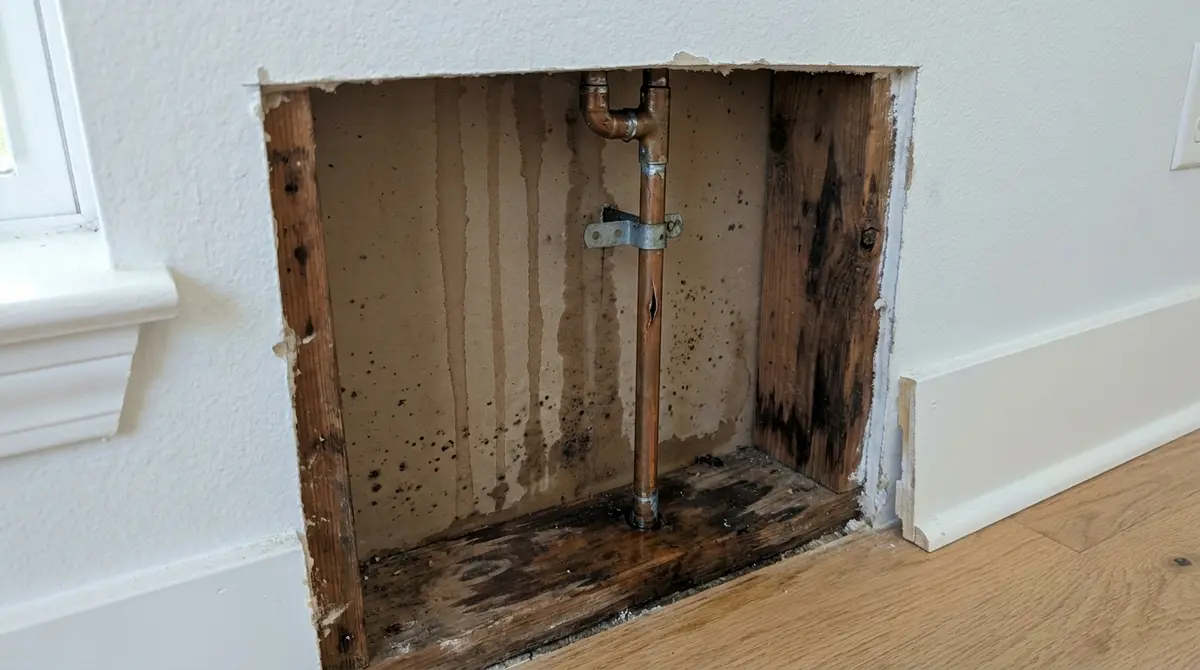
The claim tips on TDI's water damage and mold page put the timing more simply: if you have a claim, you usually must report water damage that was hidden from view within days after you first see it. A dated record of what was wet, and where, helps here. We document the loss with photos, moisture readings and an itemized scope, and we work with your adjuster. Whether a slab leak itself is covered is a water question, and the water damage post linked above covers it.
Get Your Quote
Ready to handle this with a pro?
You're reading about How Does a Mold Certificate Affect Insurance on Georgetown Homes. Get a fast quote for water damage restoration service in the Austin and Houston areas from Watchtower Water Damage and Fire Restoration.
How Does a Mold Certificate Affect Insurance on Georgetown Homes?
Texas law gives finished mold remediation a paper trail. Under Occupations Code §1958.154, no later than the 10th day after a license holder completes mold remediation at a property, that licensed remediator must give the property owner a certificate of mold remediation. The certificate must include a statement by a licensed mold assessor that, based on visual, procedural and analytical evaluation, the mold contamination identified for the project has been remediated as outlined in the mold management plan or remediation protocol. If the assessor determines the underlying cause of the mold has been remediated so that it is reasonably certain the mold will not return from that cause, the assessor must indicate that on the certificate. TDI's certificate form opens with an instruction: "Property owner: Keep this certificate and give a copy to your insurance agent or company."
We don't inspect, test or assess mold. Texas licenses mold assessment and mold remediation separately, and §1958.155 bars one license holder from doing both on the same project, with an exception for a school district's employee working on a district project.
The certificate matters again when you apply for insurance coverage on the home. Insurance Code §544.303 says an insurer may not make an underwriting decision on a residential property policy based on previous mold damage or a claim for mold damage if all four of these are true:
the applicant for insurance coverage has property eligible for coverage under a residential property policy;
the property has had mold damage;
mold remediation has been performed on the property; and
the property was either remediated, as shown by a §1958.154 certificate issued to the owner that establishes with reasonable certainty that the underlying cause of the mold has been remediated, or inspected by an independent assessor or adjuster who determined, based on the inspection, that it does not contain evidence of mold damage.
TDI's home insurance glossary defines underwriting as "the process an insurance company uses to decide whether to sell you a policy and how much to charge you." The assessor's note on the underlying cause matters here, because the certificate route in §544.303 needs a certificate that establishes, with reasonable certainty, that the cause was remediated. The rule applies to insurers that write residential property insurance in Texas, and the subchapter's definition of an insurer leaves out eligible surplus lines insurers, the Texas Windstorm Insurance Association and the FAIR Plan Association (§544.301).
Selling a Georgetown home brings the certificate back. Section 1958.154 requires a seller to give the buyer a copy of each certificate issued for the property under that section during the five years before the sale. If you are deciding what else to disclose, ask a real estate attorney.
What Can a Georgetown Homeowner Do After a Mold Claim Denial?
Start with the reason. TDI's Consumer Bill of Rights for homeowners, dwelling and renters insurance says your insurance company must tell you in writing why your claim or part of your claim was denied, and that it cannot refuse to pay your claim without a reasonable investigation. Read the letter next to your policy and match the reason to the wording it cites, whether that is a gradual leak, the mold exclusion, a limit on cleanup and testing, or a late report.
Keep your own file. The same document says you should keep records of all claim communications, including notes from phone calls, and other claim documentation, including damage estimates and receipts.
If you disagree with the decision, the Bill of Rights says you can dispute the amount of your claim payment or what is covered under your policy, and it lists four things you can do:
Contact your insurance company.
Contact an attorney to advise you of your rights under the law. The State Bar of Texas can help you find one.
Pay a licensed public adjuster to review the damage and handle the claim.
File a complaint with TDI, which says on its complaint help page that it can help with complaints against companies, agents and adjusters.
Our part is the work and the record. We can help with your insurance questions, and our Georgetown water damage page covers the water side of a loss.
The Bottom Line on Mold Coverage in Georgetown
Mold coverage in Georgetown follows the water. TDI's water damage and mold page says that under most homeowner policies, mold that develops on an item damaged by sudden and accidental water, like a burst pipe, would be covered. Most home policies don't cover mold from gradual leaks or seepage, and mold from a flood would not be covered by a home policy. Most also don't include mold cleanup and testing after a damaged item is removed. TDI's 2001 order drew that line too, covering repairs but not remediation or testing, in the Texas forms of the time. Check your declarations page and endorsements before you need them.
After a freeze or a hidden leak, time counts. TDI says mold can start growing within a day after a leak, and if you have a claim, hidden water damage usually must be reported within days after you first see it. A license holder who completes mold remediation must give the owner a certificate within 10 days, with a licensed assessor's statement. If that certificate establishes with reasonable certainty that the cause was remediated, §544.303 can keep past mold damage or a mold claim out of an insurer's underwriting decision, when the statute's other conditions are met. A denial must come with written reasons, and TDI's Consumer Bill of Rights lists four ways to dispute it.
Related Posts
Does Homeowners Insurance Cover Water Damage in Round Rock?
Most Texas home policies cover sudden, accidental water damage but usually not slow leaks; here is how forms and slab coverage work in Round Rock.
What Should You Do When Pipes Burst if You Live in Austin?
Pipe burst in your Austin home? Here is the first-hour order: electrical safety, the owner's shutoff valve, photos, drying and who to call next.