
Does Homeowners Insurance Cover Water Damage in Round Rock?
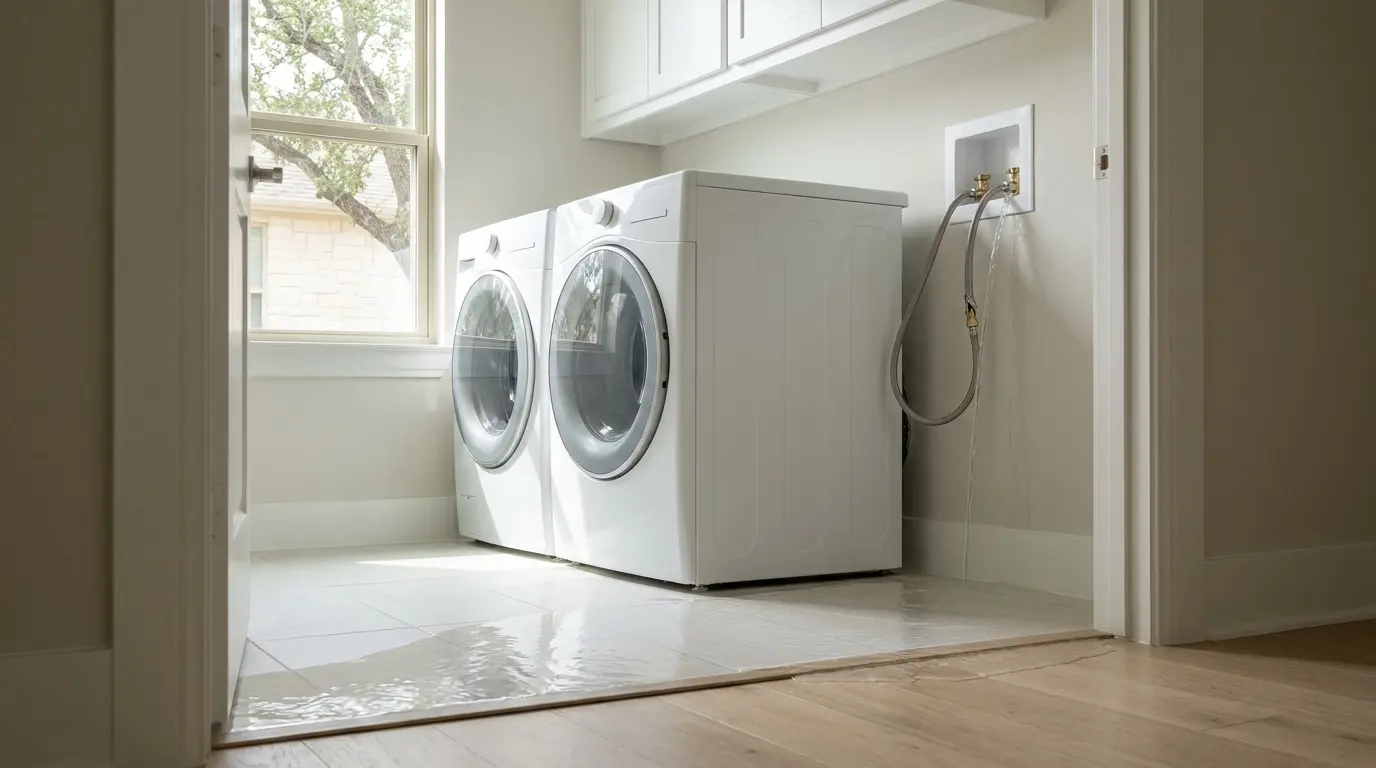
Usually, yes, when the water damage is sudden and accidental. The Texas Department of Insurance (TDI) says most homeowner policies cover sudden and accidental water damage, such as a burst pipe, a toilet overflow or a broken washer hose, and usually won't cover damage from gradual leaks or seepage. In Round Rock, as anywhere in Texas, the rest turns on your policy form, its endorsements and where the water came from. Is a claim worth filing? That call is yours. TDI's page on what to know about deductibles notes that a home policy applies the deductible to each claim, and that filing small claims may affect how much you pay for insurance later. Either way, wet floors and walls still need drying, and our water damage restoration service handles that part.
Get Your Quote
Ready to handle this with a pro?
You're reading about What Water Damage Does Homeowners Insurance Cover in Round Rock. Get a fast quote for water damage restoration service in the Austin and Houston areas from Watchtower Water Damage and Fire Restoration.
What Water Damage Does Homeowners Insurance Cover in Round Rock?
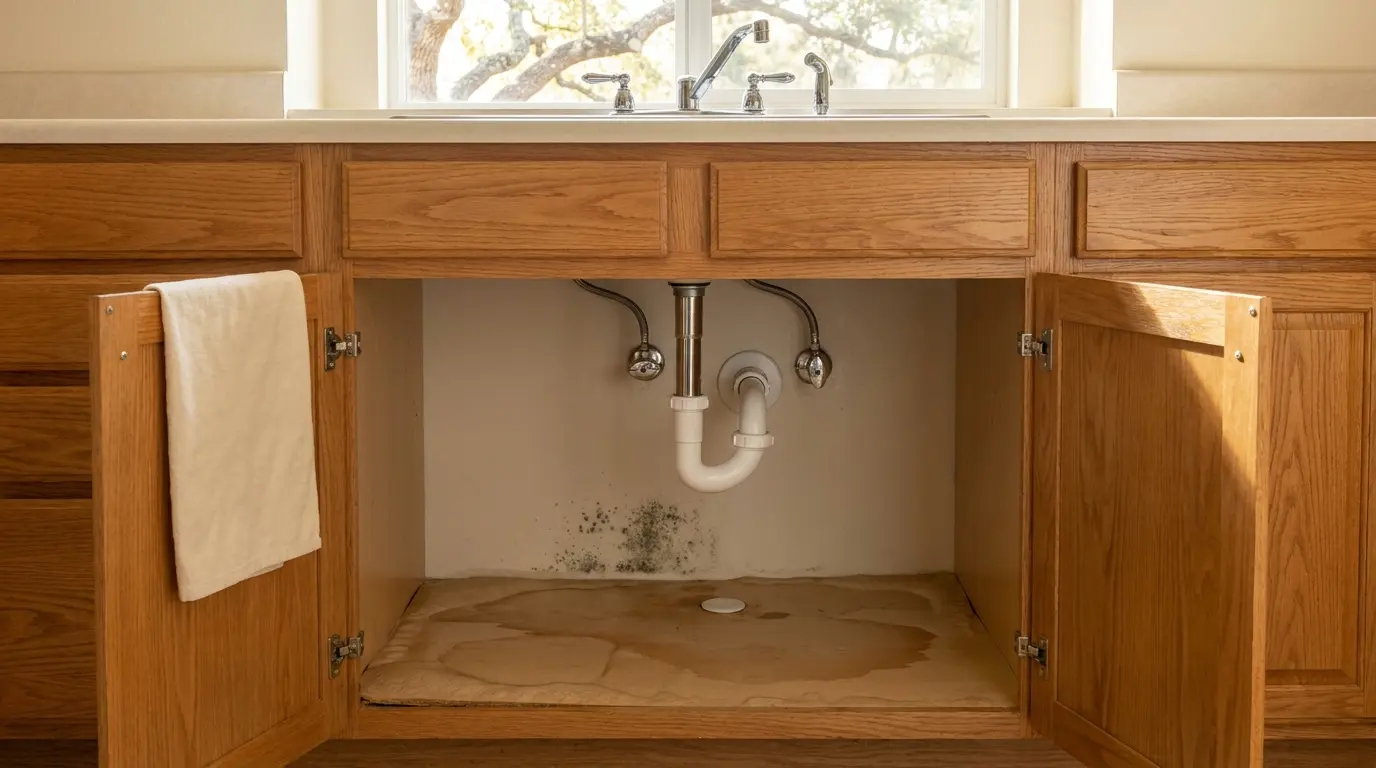
Start with the case a freeze brings. TDI's FAQ on homeowners insurance and disaster claims says many policies will pay for damage to your house caused by a frozen pipe that burst, but there may be some limitations. The bigger line is sudden versus gradual. For example, a washer hose that bursts while you are at work is sudden. A drip under a bathroom sink that rots the cabinet floor over months is gradual.
When the damage is covered, TDI's April 2018 handout on Texas homeowners policies describes which part of a typical policy pays, subject to your policy's terms and conditions: dwelling coverage if your house is damaged, personal property coverage if things in it such as furniture and clothing are damaged, and loss of use for additional living expenses if you have to move out for a while because of damage to your house. Say a supply line splits behind the refrigerator in a Round Rock kitchen. The swollen cabinets are dwelling damage, the soaked rug is personal property, and if you have to move out while the kitchen dries, a hotel stay is the kind of expense loss of use is for.
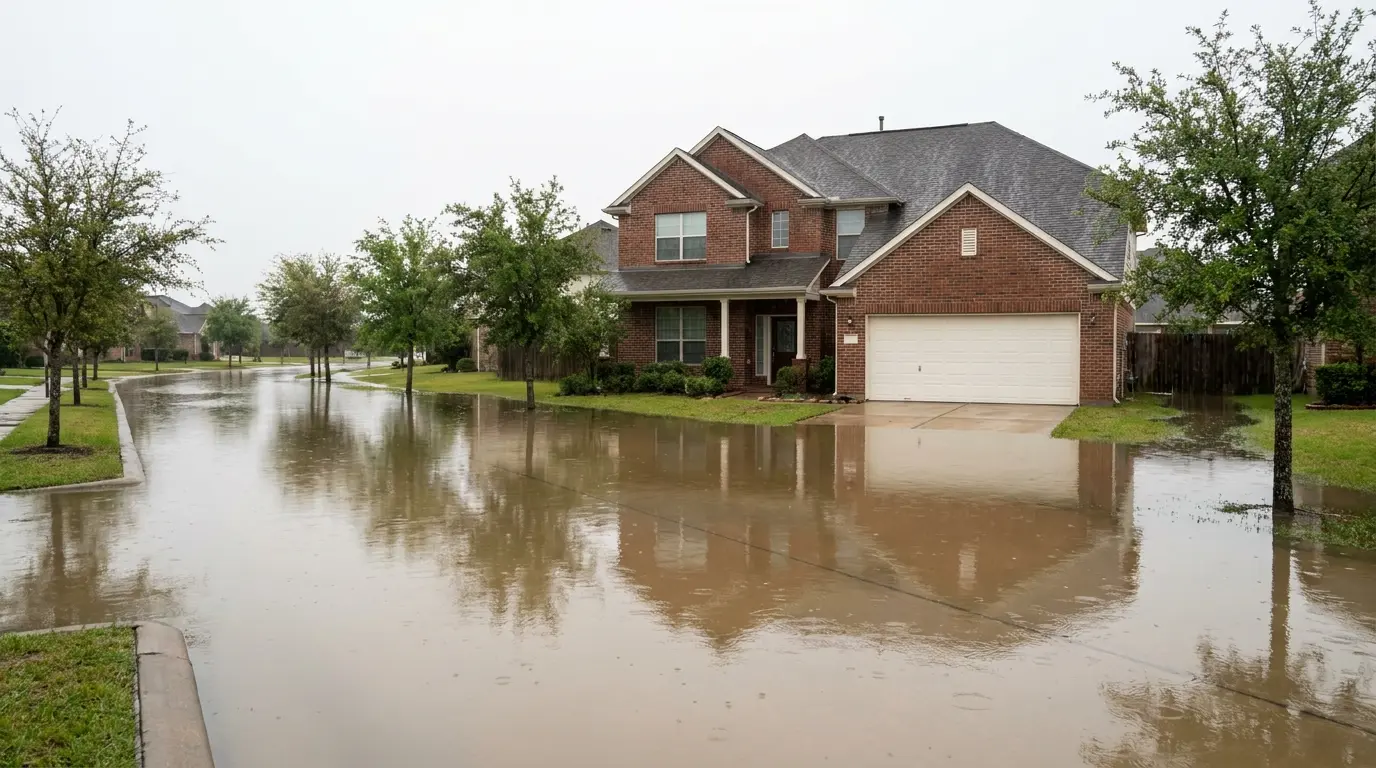
Some water has its own rules. For a drain backup, the same TDI FAQ says it depends on your policy, and that some policies cover water or sewage from outside your house that enters through sewers or drains. TDI's water damage tip says home policies don't cover floods and you would need a separate flood policy, a subject for our separate post on flood insurance. Mold after a leak is a coverage question of its own, and we cover it in another post. When rain gets in through a roof, the roof itself is a roofer's job, and roof repair is not work we do.
Which Policy Forms Cover Water Damage for Round Rock Homes?
Texas has its own policy forms. The same TDI handout says companies must write Texas homeowners insurance on policy forms TDI approves. It says insurers began filing and using their own forms in 2003, although some still use the Texas forms TDI promulgated, and it sorts the forms into four general types, each matched with a standard form from the Insurance Services Office (ISO). Covered perils, the handout adds, vary depending on the policy.
| Texas form (ISO form) | Your house | Your belongings |
|---|---|---|
| HO-A (HO 1) | Named perils, such as fire, windstorm, hail and theft. Water discharge is not on TDI's list of common HO-A perils. | The same named perils |
| HO-A Plus (HO 2) | Named perils, broader. TDI's common list adds, among others, freezing pipes and some coverage for sudden and accidental water discharge. | The same named perils |
| HO-B (HO 3) | All risk: all perils not specifically excluded. Typical exclusions, which vary by policy, include flood, wear and tear, and continuous and repeated seepage of water. | Named perils, commonly including freezing pipes and some coverage for sudden and accidental water discharge |
| HO-C (HO 5) | All risk, with the same typical exclusions | All risk, with the same typical exclusions |
In plain terms, an all-risk form covers damage unless an exclusion applies, and a named-perils form covers it only when a listed peril caused it. For example, under an HO-B, a supply line that splits inside a wall damages the house, so the all-risk dwelling coverage applies unless an exclusion fits, while the soaked sofa falls under the named-perils side.
These forms are statewide, so a Round Rock home is insured on the same kinds of forms as any other Texas home. Find the form name in your policy, then read its exclusions and endorsements. If your insurer uses its own form, its wording, not this table, decides.
Does a Round Rock Slab Leak Count as Covered Water Damage?
Round Rock homeowners have a local reason to ask. The Texas State Historical Association's Handbook of Texas entry on Williamson County says the Balcones Escarpment runs through the county "along a line from Jarrell to Georgetown to Round Rock," with rich blackland soils in the eastern half. A USDA fact sheet on Houston Black, a Blackland Prairie clay soil, posted by the Texas Water Development Board, says those soils "shrink and swell markedly with changes in moisture content." Ground that moves can stress pipes under a slab foundation, and a plumber is the one who finds a leak and its cause. On r/Austin, one homeowner shopping for a policy asked whether any Texas homeowners insurance covers under-slab plumbing, calling it a "huge risk East of 35."
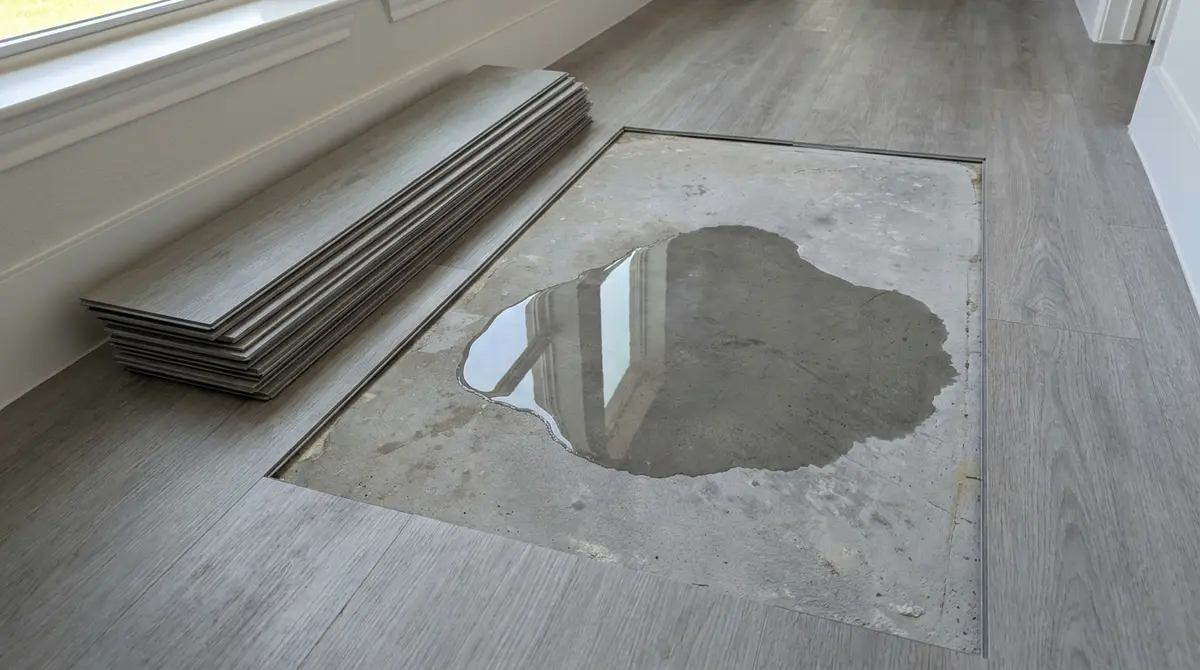
Coverage depends on your form and its endorsements. In Bulletin B-0032-97 (August 1997), TDI stated its position that the dwelling coverage in the standard Texas HO-B form covers damage to the house, including the foundation, caused by an accidental discharge of water from a plumbing, heating or air conditioning system or a household appliance. When the commissioner of insurance approved ISO's homeowners forms for Texas in 2002, TDI's notice said those forms limit coverage for dwelling foundation losses and water damage losses. It required insurers using them to offer endorsements that add coverage back, including Foundation Coverage-Texas and Water Damage Coverage-Texas, when each new policy is written, subject to the insurer's underwriting guidelines.
The same notice says the Foundation Coverage-Texas endorsement covers settling, cracking, shrinking, bulging or expansion of the foundation, floor slab or footings that support the house, caused by seepage or leakage of water or steam from a plumbing, heating, air conditioning or automatic fire protective sprinkler system. It includes the cost of tearing out and replacing any part of the building needed to repair the system the water escaped from, but not the loss to that system itself, and it carries its own coverage limit.
So a slab leak may be covered, partly covered or not covered. Look for "foundation," "slab" and "tear out" in your policy and its endorsements, or ask your agent. Fixing the leak takes a plumber; pipes, slabs and foundations are not work we do. We handle the water damage the leak leaves behind.
Get Your Quote
Ready to handle this with a pro?
You're reading about Why Do Insurers Deny Water Damage Claims in Round Rock. Get a fast quote for water damage restoration service in the Austin and Houston areas from Watchtower Water Damage and Fire Restoration.
Why Do Insurers Deny Water Damage Claims in Round Rock?
To see why an insurer might turn down a water damage claim, start with the policy's exclusions and conditions. TDI's handout lists common exclusions that include flood, earthquakes, wear and tear or maintenance, freezing pipes while your house is unoccupied, and water damage resulting from continuous and repeated leakage or seepage. Here is how those and a few policy conditions play out:
The leak was gradual. Where the line falls depends on your policy. In TDI's April 2018 handout, policies on the Texas HO-A Plus form exclude seepage or leakage that goes on for 14 or more days, ISO forms use "a period of weeks, months, or years," and some companies look at whether seepage over time caused deterioration, corrosion, rust or rot.
The damage came from wear and tear or a lapse in care. Beyond the wear and tear exclusion, TDI's winter safety tips say home policies might not pay for damage caused by frozen pipes if you didn't take steps to protect your pipes, such as keeping the heater on in your house. For example, a Round Rock house left empty with the heat off over a holiday freeze could run into that condition and the common exclusion for freezing pipes while a house is unoccupied.
The coverage needed an endorsement. The foundation and tear-out coverage above is one example. TDI's handout also says some companies let you buy full or limited coverage for excluded perils, including continuous and repeated leakage or seepage of water.
The report came late, or the damage wasn't protected. TDI's water damage tip says water damage that was hidden from view usually has to be reported within days after you first see it. TDI's blog post on indoor water damage adds that your insurer may deny your claim if you don't protect your property.
If your insurer rejects a claim, Texas Insurance Code §542.056 requires a written notice that states the reasons for the rejection. Check them against your policy, and talk to an attorney before you act on a dispute.
How Do Round Rock Homeowners File a Water Damage Claim?
If water is still coming in, start with our post on what to do when pipes burst in Austin, which covers safety and the first hour; its shutoff details are written for Austin Water customers, so check your own water utility's guidance. For the claim itself, TDI's page on getting a home or car insurance claim paid walks through four steps: you file the claim, the company asks questions and an adjuster may visit or look at pictures, you choose a contractor, and you get paid. TDI says to file as soon as you can, and if you file with someone else's insurance company, to still let your own company know.
The same TDI page says the company subtracts your deductible if you used your own insurance, and that with replacement cost coverage you might get two payments: the first is the estimated repair cost minus depreciation, and the second comes after the repairs are done. With a loan on your house, TDI says the payment usually goes to your mortgage company, which must get in touch with you within 10 days of getting it.
The insurer's own deadlines are in Texas Insurance Code chapter 542, Subchapter B, Prompt Payment of Claims, which covers a claim you make under your own policy that the insurer must pay directly to you (§542.051):
§542.051 defines notice of claim as any written notification from a claimant to an insurer that reasonably informs the insurer of the facts relating to the claim. By the 15th day after it receives that notice, the insurer must acknowledge your claim, begin any investigation and request what it reasonably believes, at that time, it will need from you (§542.055).
By the 15th business day after it receives everything it requires to secure final proof of loss, it must accept or reject the claim in writing (§542.056(a)). If it has a reasonable basis to believe arson caused the loss, that deadline is the 30th day after it receives everything it requires (§542.056(b)). If it can't decide in time, it must tell you why it needs more time within that same period, then decide by the 45th day after that notice (§542.056(d)).
It must pay by the fifth business day after telling you it will pay all or part of the claim, or after you perform an act the payment depends on (§542.057).
Eligible surplus lines insurers get longer under §542.055 and §542.057, and §542.059 adds 15 days in a weather-related catastrophe or major natural disaster, as the commissioner defines it.
Under §542.060, an insurer that is liable for a claim and doesn't comply with the subchapter owes interest on the claim as damages, plus reasonable and necessary attorney's fees, though a guaranty association is not subject to those damage provisions (§542.053(b)). If a deadline matters to your claim, ask an attorney.
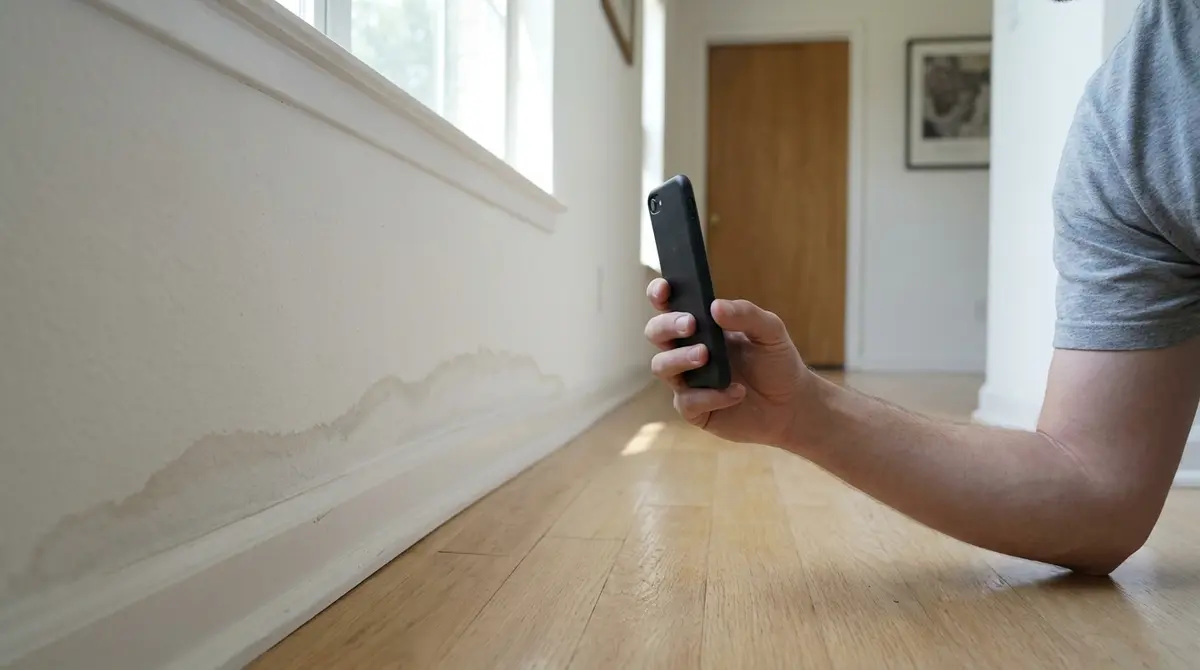
Here is where we fit. We work with all insurance companies. We document the loss with photos, moisture readings and an itemized scope, and we work with your adjuster. We explain ACV (actual cash value), RCV (replacement cost value) and depreciation in plain English. The claim is yours, and the coverage decision is your insurance company's. Our answers to common insurance questions and our Round Rock water damage page have more.
The Bottom Line on Water Damage Coverage in Round Rock
TDI says most homeowner policies cover sudden and accidental water damage, like a burst pipe, and usually won't cover gradual leaks or seepage. Beyond that, your form and endorsements decide. An all-risk HO-B or HO-C treats the house differently from a named-perils HO-A, and a Round Rock slab leak turns on whether your form or an endorsement covers the foundation and the tear-out. Fixing the leak itself takes a plumber.
Claims can be turned down over a gradual leak, wear and tear, a missing endorsement, a late report or damage that wasn't protected, and a rejection's reasons must come in writing. TDI says to file as soon as you can, and chapter 542 of the Insurance Code sets the insurer's deadlines from there. We document the loss with photos, moisture readings and an itemized scope, and we work with your adjuster.
Related Posts
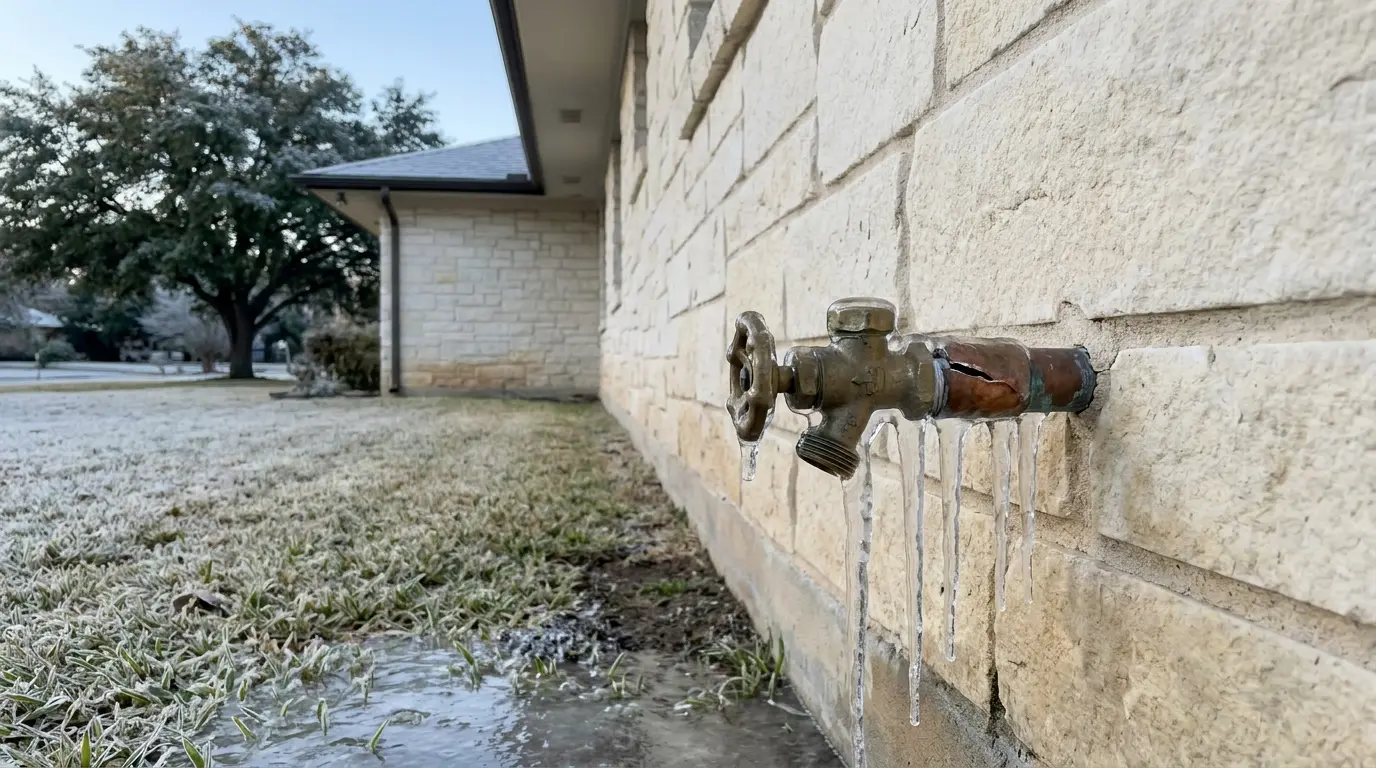
What Should You Do When Pipes Burst if You Live in Austin?
Pipe burst in your Austin home? Here is the first-hour order: electrical safety, the owner's shutoff valve, photos, drying and who to call next.
Does Homeowners Insurance Cover Mold in Georgetown?
Most Texas home policies cover mold on items damaged by sudden, accidental water but not cleanup or testing; here is how that works in Georgetown.
Do You Need Flood Insurance in Katy?
In Katy, a federally backed mortgage on a home in a high-risk zone requires flood insurance. See who else needs it, what it covers and how claims work.